
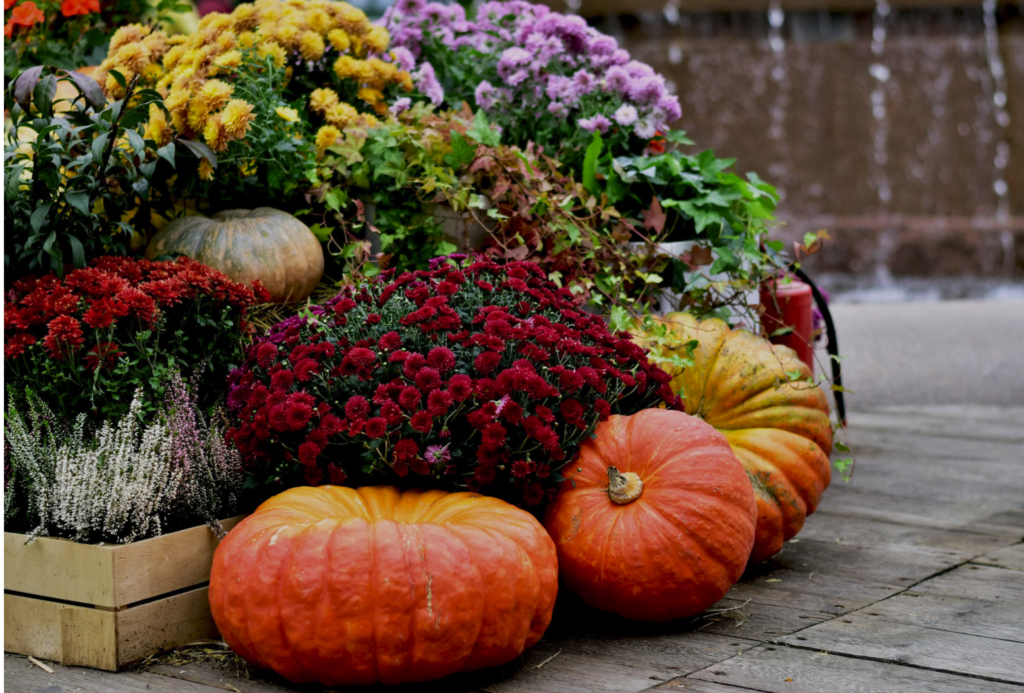
Autumn Planting
You can create beautiful autumn container gardens using frost-resistant fiberglass planters. As the summer flowers begin to fade, your outdoor spaces do not have to lose their spark.
Autumn is a perfect time to refresh your entryway, condo balcony, roof-top deck, backyard with rich textures, warm tones and resilient greenery.
At Atlas Pots our commercial grade fibreglass planters are built to withstand Canadian winters while protecting plant root systems. The primary challenges during fall and winter container gardening is heavy, continuous rainfall and fluctuating freezing, thawing cycles. Marine grade fibreglass planters are ideal for this climate because they’re non-porous, provide insulation, and won’t crack during frost.
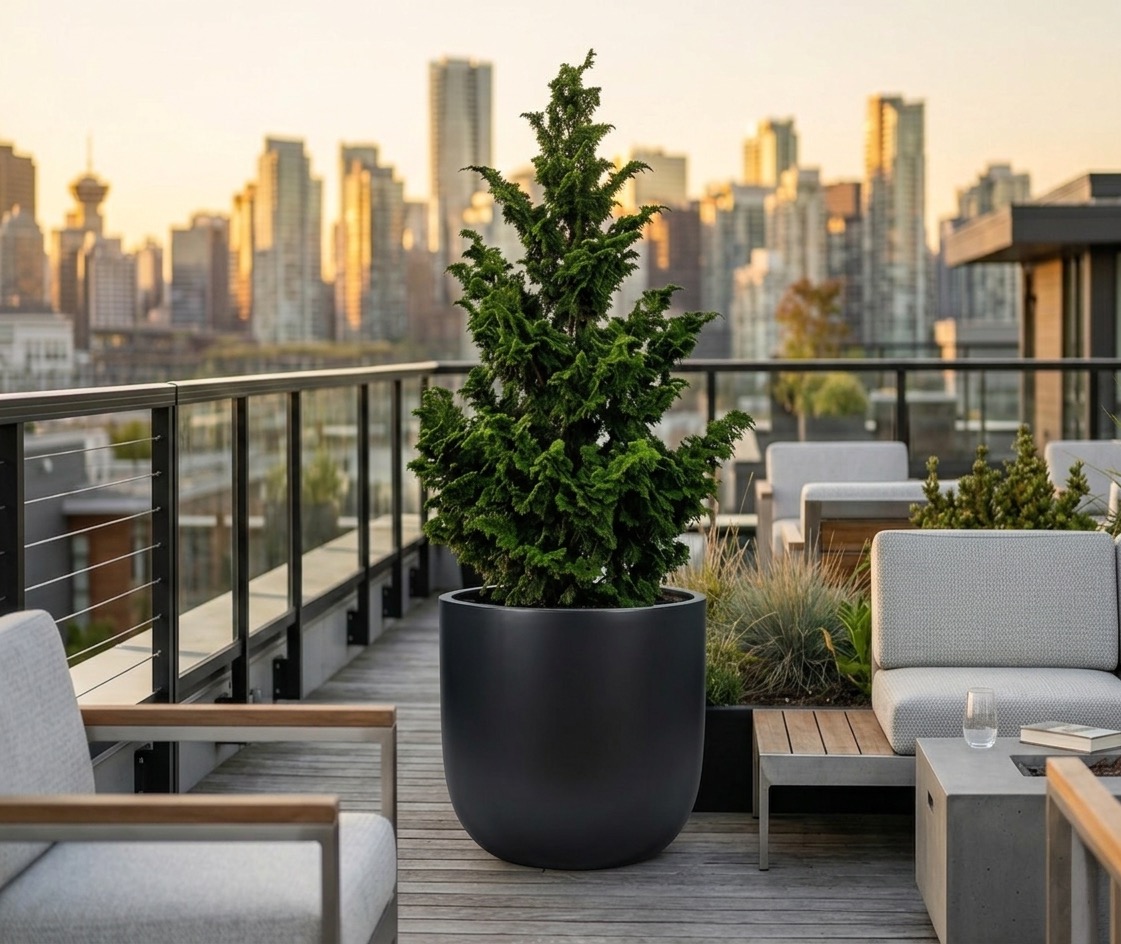 Before you choose your autumn plants, a successful winter-ready container relies on a few key details. (Relative to zoning)
• Material Matters! Choose a frost resistant planter (container) as terracotta, plastic and low-grade ceramic pots can easily crack
• Clean and clear annuals that look dead or droopy. Cut away dead leaves and stems to stop fungi and pests from spreading.
• Refresh the soil, mix in fresh compost to add lost nutrients.
• Choose fall plants like tough cool-weather flowers like pansies, violas and mums. Add colourful foliage like ornamental kale or cabbage, heuchera, and coral bells. Shrubs and trees like Hinoki Cypress, Japanese Maples, or Dwarf Skimmia.
Pro-Tips:
Pack you autumn pots tighter than you would in the summer. Because temperatures are cool, plants grow much slower in the fall and will not expand drastically to fill empty gaps. Grouping them tightly gives you an instantly lush, professional look from day one.
Always ensure proper drainage that easily allows water to easily escape the planter to prevent freezing or root root due to water-logged planter. Place a piece of standard landscape cloth overtop of the drainage material. Recommended drainage material includes: rounded river rock, lava rock, recyclable foam, or styrofoam. The landscape cloth keeps the soil inside while allowing water to drain instantly.
SOIL – good soil is key to maintain healthy roots through temperature drops.
Use a premium potting mix – Never use heavy garden soil or topsoil which compacts easily and can suffocate the roots. Instead, a lightweight, sterile potting mix blend with perlite or punch for maximum aeration (ie: Pro-Mix Premium All-Purpose Potting Soil). Incorporate a slow release fertilizer – Fall plants grow slower but still require nutrients . A light amount of granular, slow-releasing balanced fertilizer mixed into the top few inches of the soil will sustain the plants through the winter.
Helpful information about Atlas Pots commercial-grade pure fiberglass planters:
Insulation – While marine-grade fiberglass won’t crack or warp in freezing weather, the roots can still freeze during rare, extreme winter cold snaps.
Internal Foam Lining – consider additional insulation in very cold climates or for sensitive plants.
For larger round, rectangular planters, lining the inner walls of the planter with a thin layer of foam insulation board before adding soil. This creates an extra thermal barrier that protects delicate roots from freezing.
Importance of a level surface – Ensuring your fiberglass planters sit on a level surface is one of the most overlooked but critical steps for successful fall gardening, especially in wet climates like Vancouver. While marine-grade fiberglass is incredibly tough, unlevel ground combined with heavy autumn rain can jeopardize both plant heath and the structural life of the planter.
When a planter sits on uneven surfaces like a cracked patio stones, sloped driveways or soft lawn the wet soil shifts unevenly. As Vancouver transitions from late fall into winter, that uneven pooled water can expand into ice. If the water cannot drain because the planter is tilted, the expanding ice put localized pressure agains the walls of the planter. Over time this repeated stress can cause fine cracks in the exterior coat.
Taller trees, bamboo, boxwoods can act like sails in high winds. If a planter is already leaning on an uneven surface, its centre of gravity is compromised. A string gust can easily tip the planter over, causing damage to the plants, spilling soil and risking cosmetic chipping or even structural damage.
Best Practices for levelling fibreglass planters – Use shims or adjustable pot feet, this work well for small, medium round planter, vases. This will help compensate for sloped surfaces. For larger rounds/Cubes (24inches plus) large rectangle (48” plus) it is best to have a level surface however, treated wooded slats equally spaced 12” apart will support the planter integrity.
Avoid Soft Grounds – Advise against placing large planters directly on bare soil or lawn. The heavy autumn rain will soften the ground, causing the planter to sink away and never to been seen again (jokes) causing the planter to sink unevenly, first place a level concrete paver down.
For more information on our Atlas Pots tips and care, please see https://www.atlaspots.com/resources/tips-and-care/ or reach out to us!
Explore the Atlas Pots collection of modern fiberglass planters online with shipping across Canada, or visit our North Vancouver store to find the perfect planter for your space—we’d love to help you in person!